Shop > Paint Colour Charts > Guides
This expert-produced Axalta training video, part of the “Global Paint Defects” or “Tech Tips” series, provides a clear, visual breakdown of the most common automotive paint defects and solutions. You will learn exactly how issues like solvent popping, mottling, and fisheyes occur, how to identify them early in the process, and the industry best practices for prevention. Whether you are a professional spray painter or a DIY enthusiast, this video walks you through real-world examples and the science behind flawless atomization. It is an essential resource for anyone aiming to improve repair quality, minimise costly rework, and achieve a durable, premium finish every time.

After reviewing the technical training, we recommend exploring high-quality spray painting products specifically engineered for automotive refinishing. Using premium primers with high-fill properties and basecoats that offer a strong colour match guarantee is the most critical factor for a successful repair. Professional-grade clear coats and equipment will significantly reduce the risk of common defects such as runs, orange peel, or poor adhesion. For the best results, pair your technical knowledge with reliable materials—whether you are performing a small scratch repair or a full panel respray. If you need assistance selecting the right paint system or spray equipment for your specific project, we are here to provide expert guidance. Watch Repair Videos
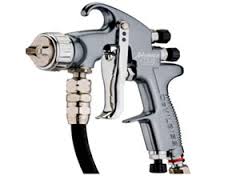
Spray painting is a precision technique where a spraying device is used to apply an even coating of paint to surfaces like automobiles, furniture, or metal panels. By converting liquid paint into a fine mist, you achieve a level of smoothness that brushes or rollers cannot replicate.
The Process: Paint sprayers use a process called ‘Atomization’ to break the liquid into microscopic droplets. This is achieved by forcing the paint through a specialised nozzle using high pressure, or by using rotary and ultrasonic atomisers. The spray gun then directs this mist onto the target surface, where the droplets flow together to form a continuous, level film.
System Components: A standard setup includes the spray gun, a pressurised paint container (or gravity-fed cup), a compressed air system, and flexible solvent-resistant tubes. The pressurised air is supplied to the tip of the gun, where it breaks up the paint and pushes it forward.
Safety Requirements: When using any atomising equipment, it is essential to wear chemical-resistant gloves, safety goggles, and a high-filtration face mask or respirator to protect against inhaling paint fumes and fine particulates.
There are several methods for delivering paint, each suited to different levels of repair:
Canned or Aerosol Spray Paint: The most common and convenient option for home handymen and mobile repairs. These consist of a highly pressurised metal aerosol containing the paint and propellant. When the valve is depressed, the paint is atomised through a precision nozzle. High-quality automotive aerosols are now available that mimic the professional fan pattern of a spray gun.
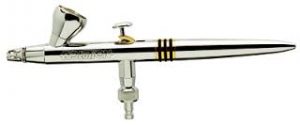
In an airbrush setup, compressed air is combined with a small volume of paint for extreme precision. This is ideal for fine detail work, custom graphics, or very small “chip” repairs where overspray must be kept to an absolute minimum.
High Volume Low Pressure (HVLP): This equipment uses a high volume of air at a lower pressure to carry the paint. This results in much higher “transfer efficiency,” meaning more paint lands on the car and less is lost to the atmosphere as overspray.
Low Volume Low Pressure (LVLP): A technical advancement designed to operate with even less air pressure and volume. This further reduces environmental impact and allows for professional results even when using smaller air compressors.
Paint spray booths are specialised enclosures designed to provide the perfect environment for refinishing. In a standard open area, a large amount of paint mist can drift onto surrounding objects or trap dust in the wet finish. Spray booths solve this by using advanced ventilation and air recovery systems.
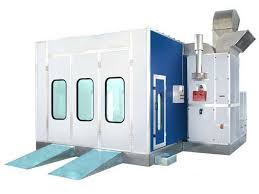
A professional booth houses the equipment, the workpiece, and the operator. It maintains specific air pressure to ensure consistent atomization while filtering the air to remove dust and hazardous vapours. Many booths feature open grid flooring, allowing excess paint particles to be pulled down and away from the surface, ensuring a clean, “nib-free” finish. These booths are available in various sizes to accommodate anything from small components to full-sized commercial trucks.